To watch the movie, click the button

Perekop

Year

1930

Country

USSR

Studio

Ukrainfilm

Timing

51

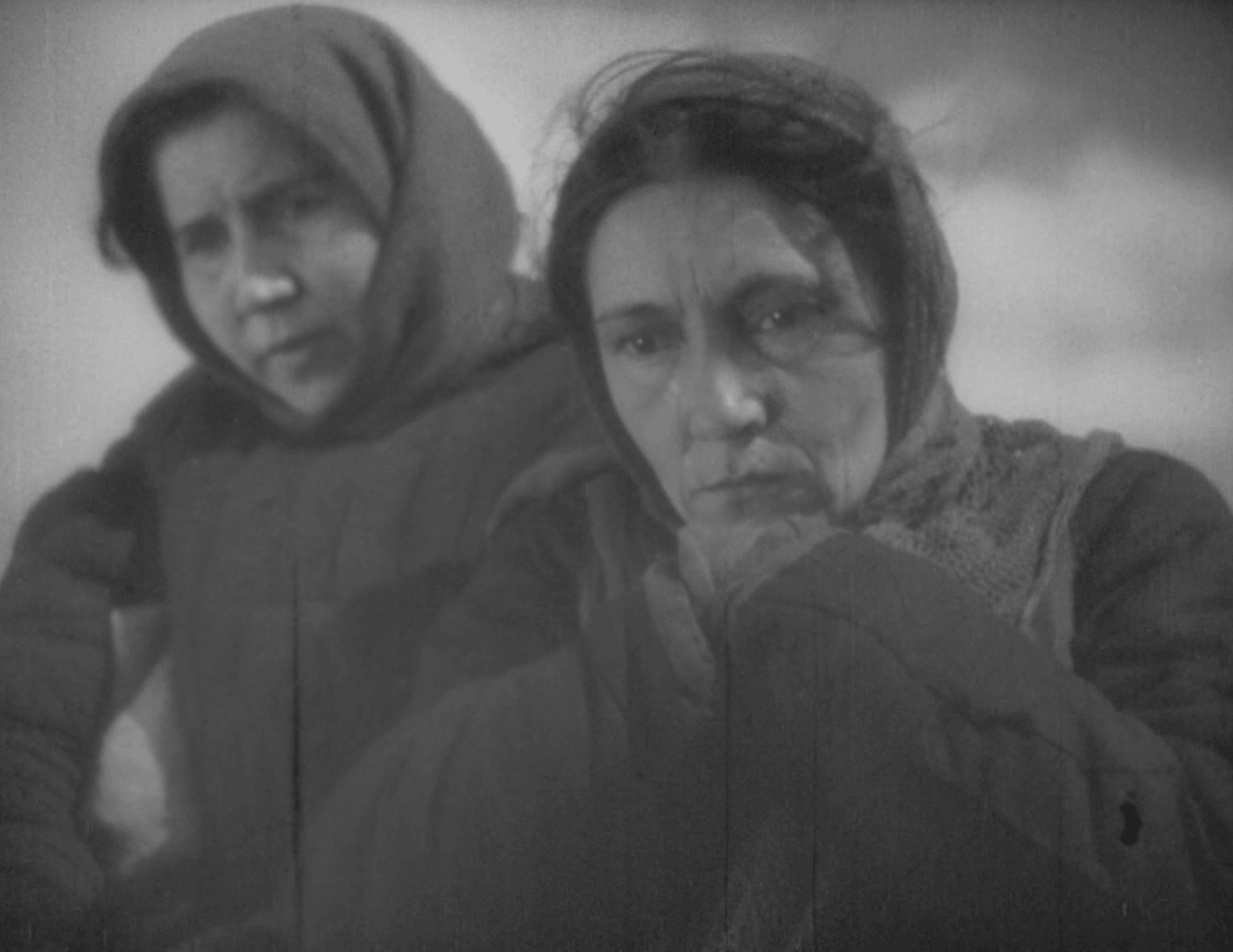
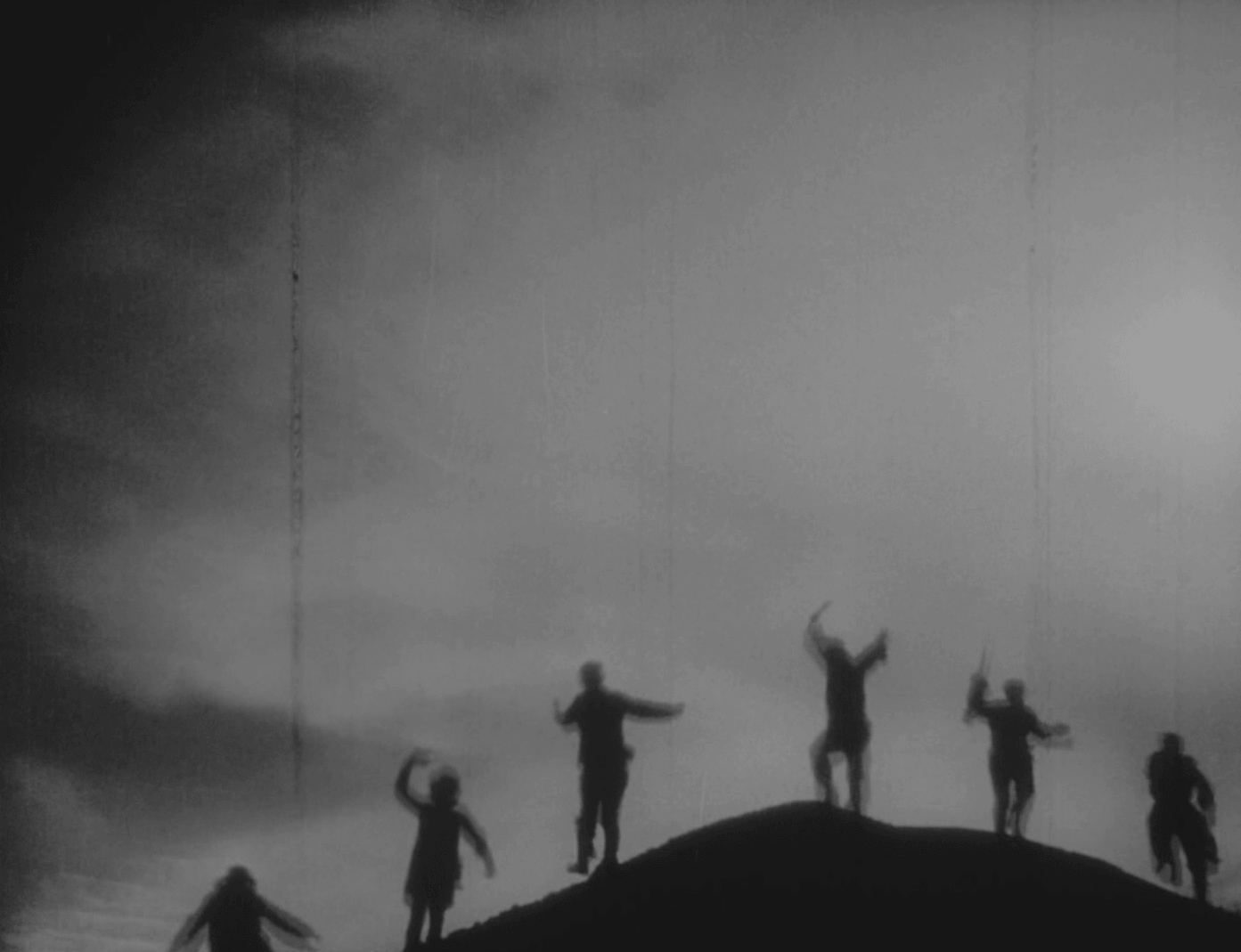
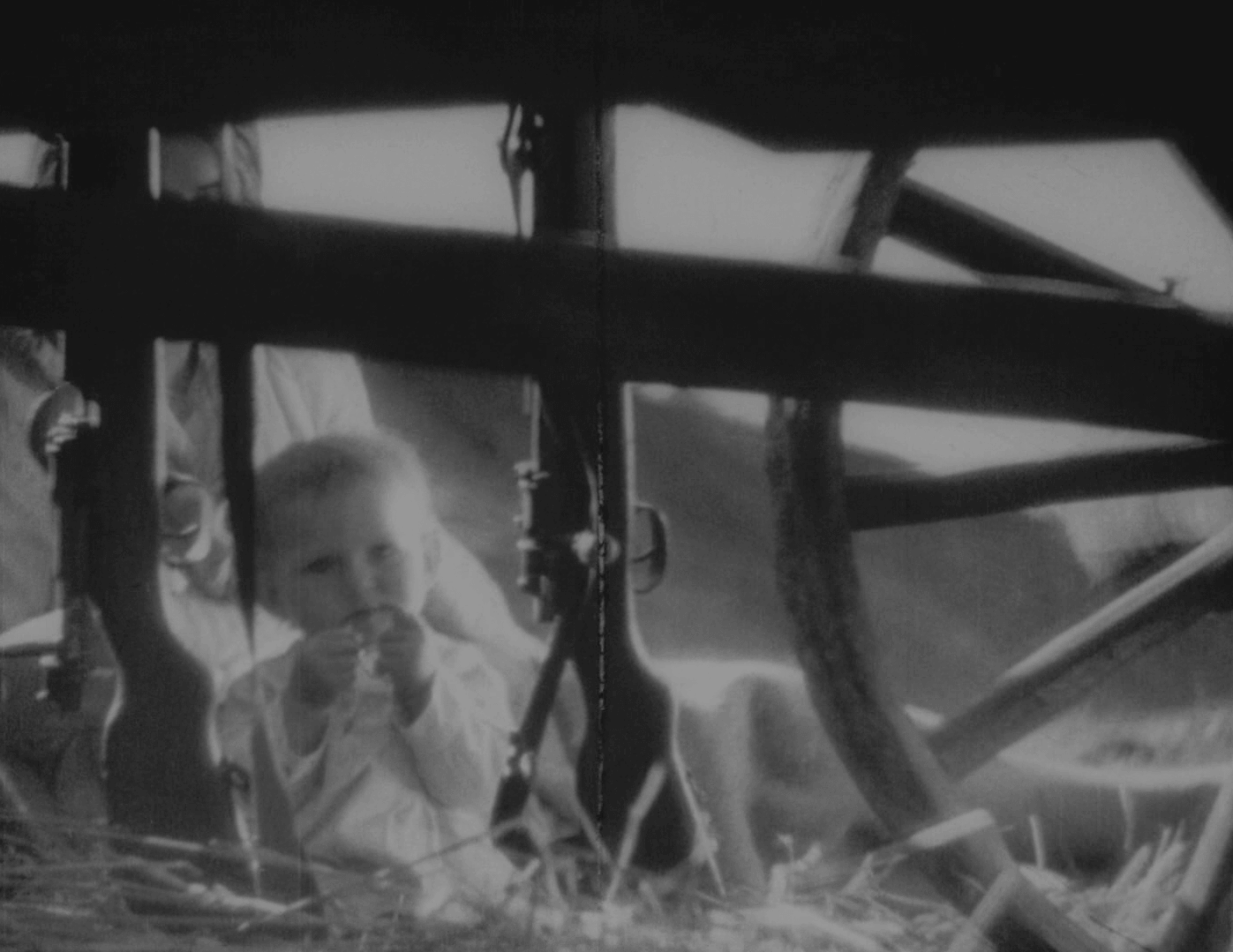
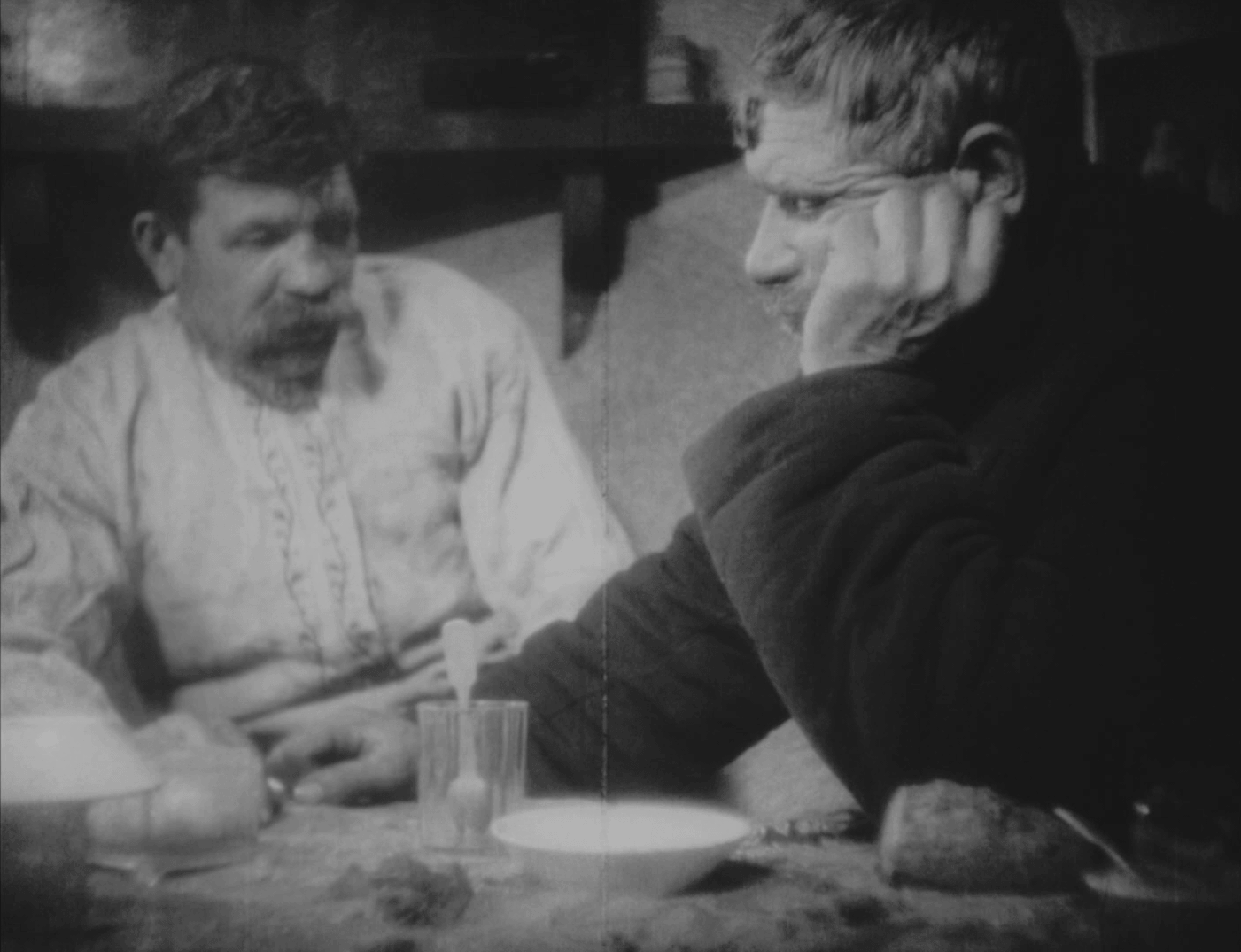
The silent revolutionary epic “Perekop” by Ivan Kavaleridze depicts the Perekop–Chonhar Operation of 1920. During this campaign, the Red Army, with the support of Nestor Makhno’s forces, defeated General Wrangel’s Russian army, seized Crimea, and—according to Soviet historiography—brought the “Civil War” to an end.

Working within the genre of the cinematic epic, the director achieves sweeping historiosophical generalizations. As the film’s actor Petro Masokha recalls:

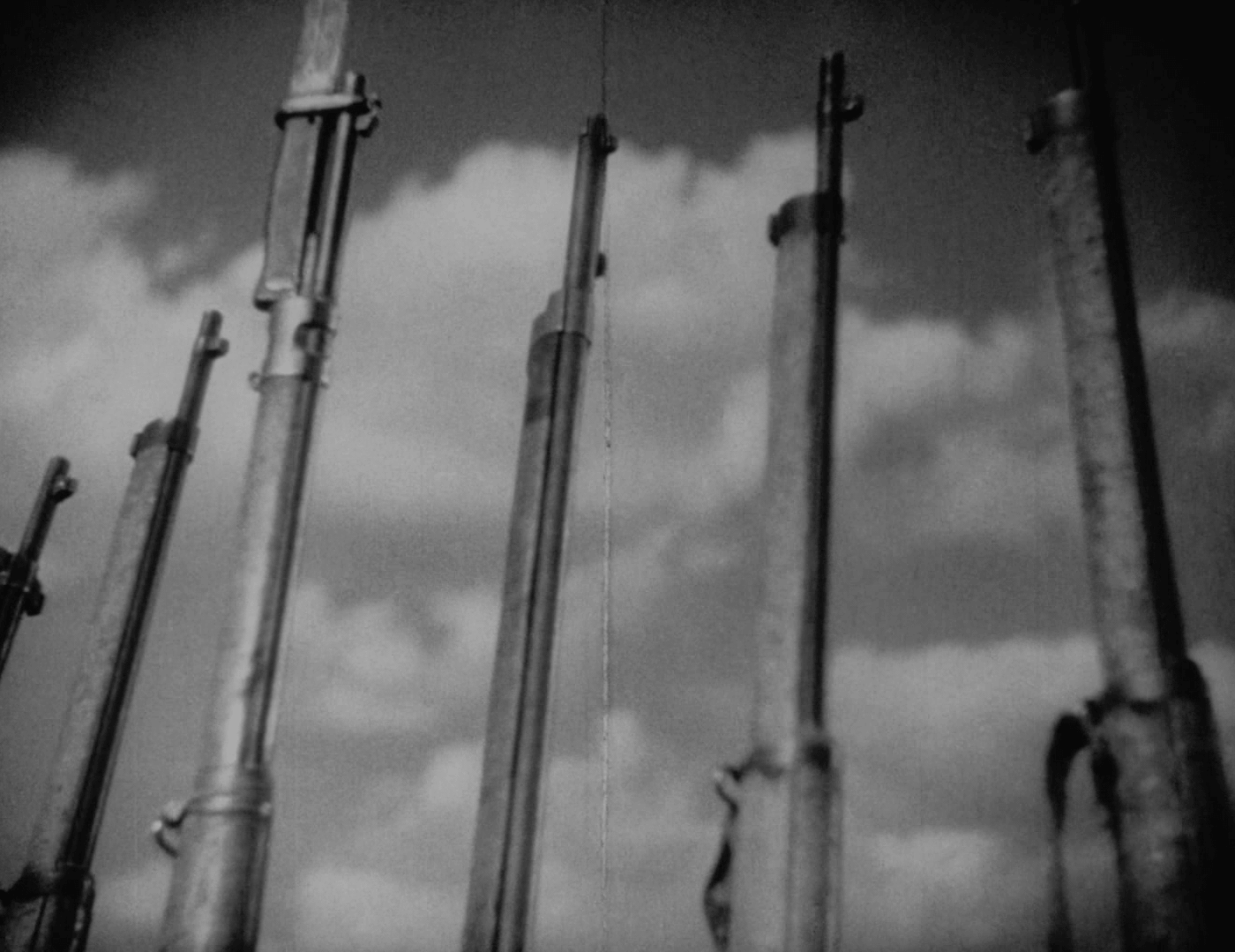
“The director presented not concrete historical events, but something closer to moving monuments, intended to affect the viewer through the distinctive romanticism of the director’s stylized compositions, the cinematographer’s lights and shadows, and the actors’ mise-en-scènes set against abstract planes and lines of the set design. Scenes that at first glance appear narratively unconnected acquire historical symbolism and monumentality through their poetic imagery.”

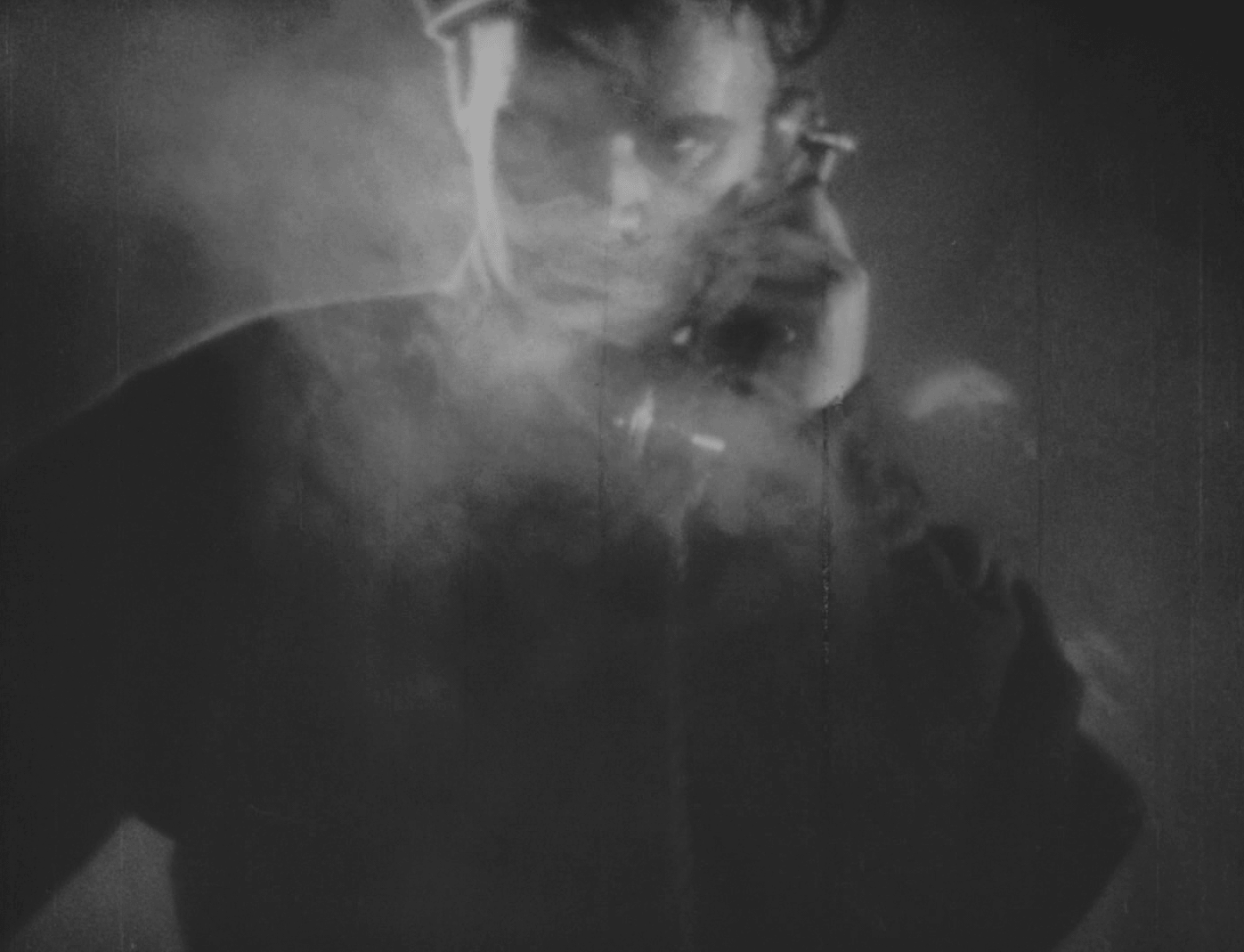
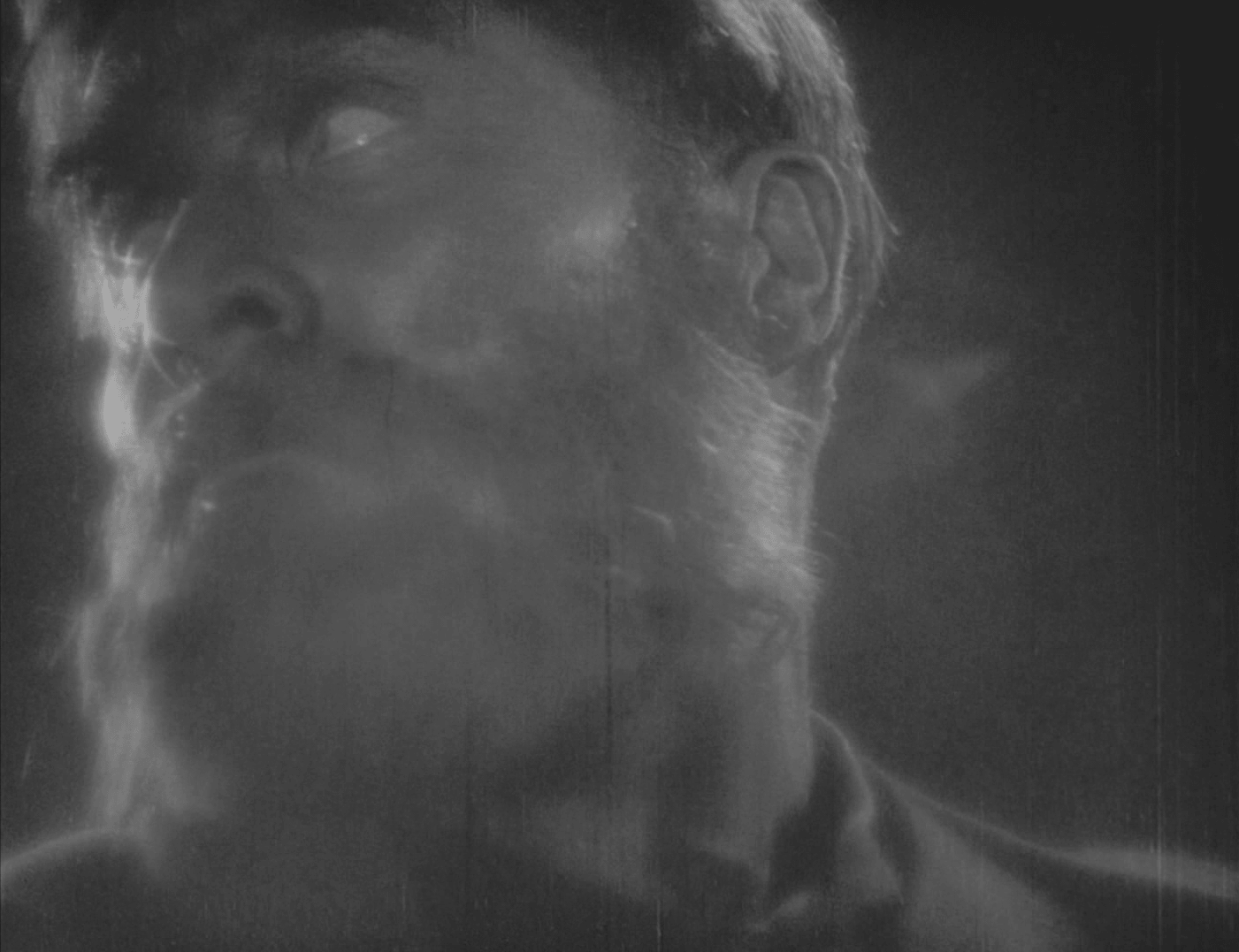
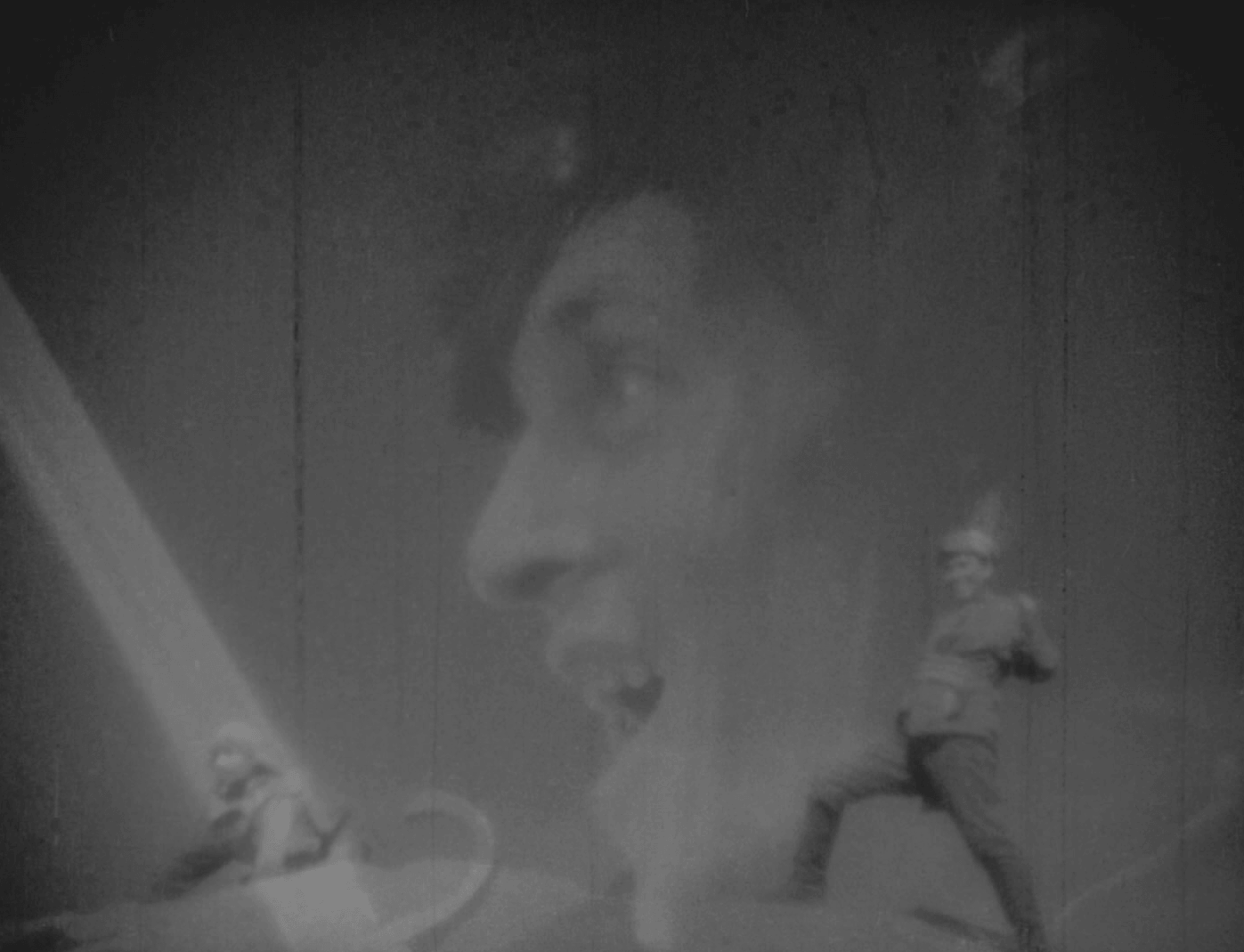
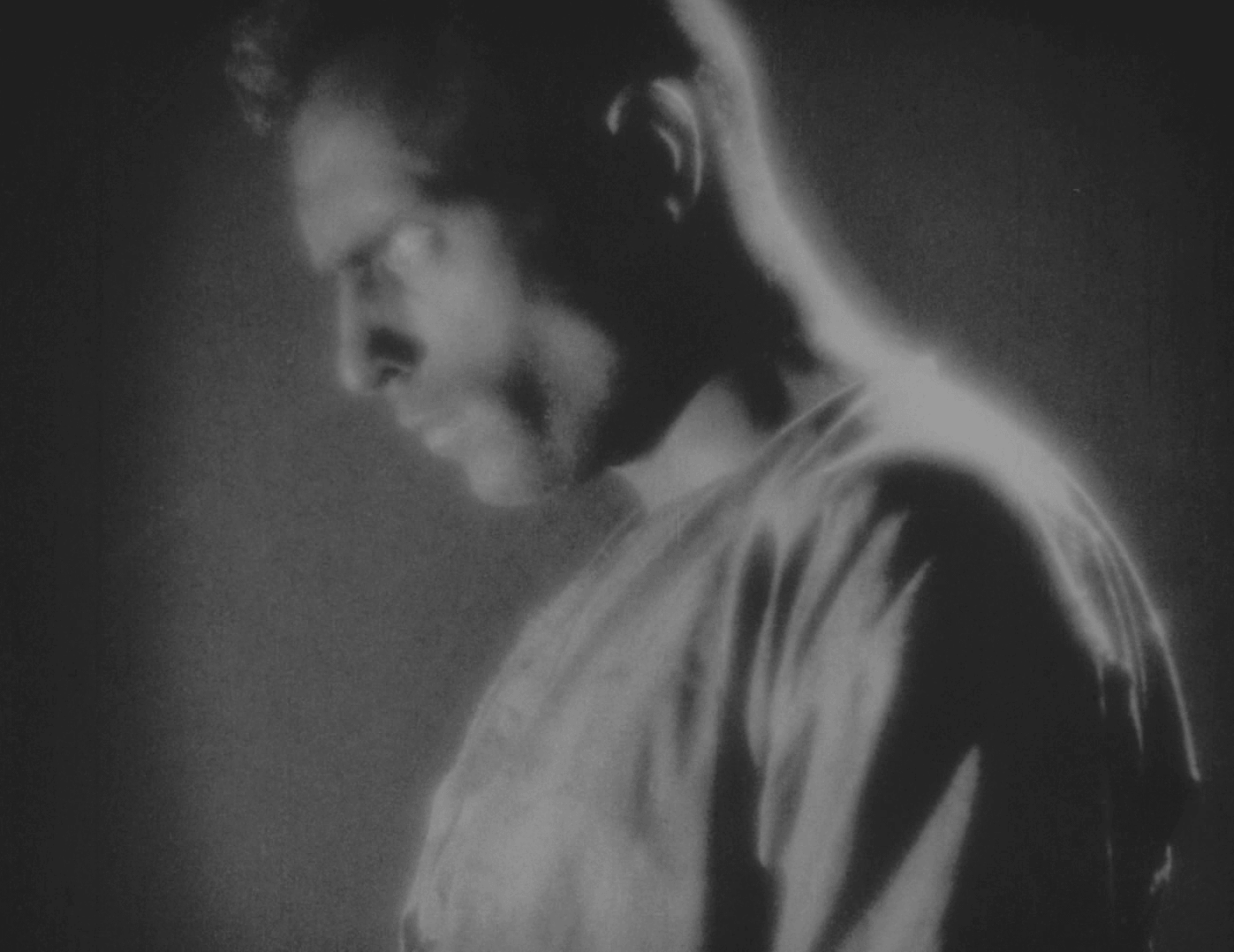
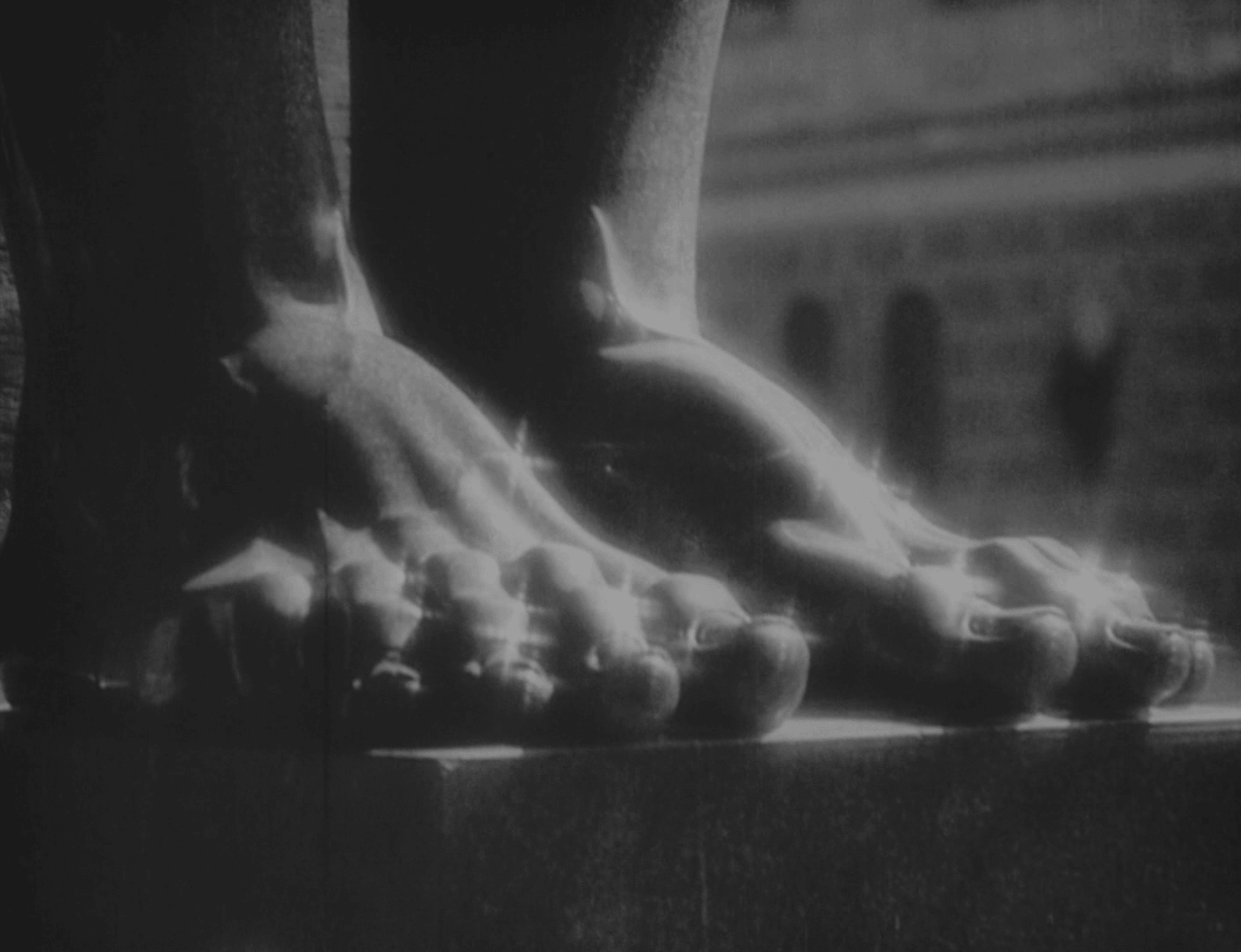
In “Perekop”, Kavaleridze partially moves away from the cine-sculptural synthesis he had developed in his debut—currently considered lost—film “Downpour” (1929). Whereas the experimental “Downpour” was shot in a studio against black velvet with minimalist cube-shaped set pieces, in “Perekop” the director films some episodes on location. Nevertheless, Kavaleridze does not abandon his idea of fusing sculptural plasticity with cinematic language — most strikingly evident in the scene of the army’s crossing of the Syvash, which was filmed in a studio in complete darkness. As he himself wrote, the director uses “light in place of a chisel, giving the frame depth—an almost stereoscopic quality”—while the dynamic use of lighting “enlarges the medium and close shots of actors covered in strokes of plaster and crystals of naphthalene.”

Particular attention should be paid to the innovative work of cinematographer Mykola Topchii and his unexpected angles, close and panoramic shots, techniques of narrative deceleration and acceleration. Topchii had begun his collaboration with Kavaleridze on “Downpour”, where he served as assistant to cinematographer Oleksii Kaliuzhnyi. The staging of individual episodes was developed by Kavaleridze in collaboration with the talented production designer Hryhorii Dovzhenko, who belonged to the circle of the famous Boychukists art school and worked in the field of monumental painting.

The film is presented with a contemporary musical score by 2sleepy.

Category

Subtitles

Director

Ivan Kavaleridze

Operator

Mykola Topchii

In roles

Ivan Tverdokhlib, Oksana Pidlisna, Vasyl Krasenko, V. Piddubnyi, Heorhii Astafiev

Recommended movies

Search

Пошук