To watch the movie, click the button

Year

1932

Country

USSR

Studio

Ukrainfilm

Timing

90

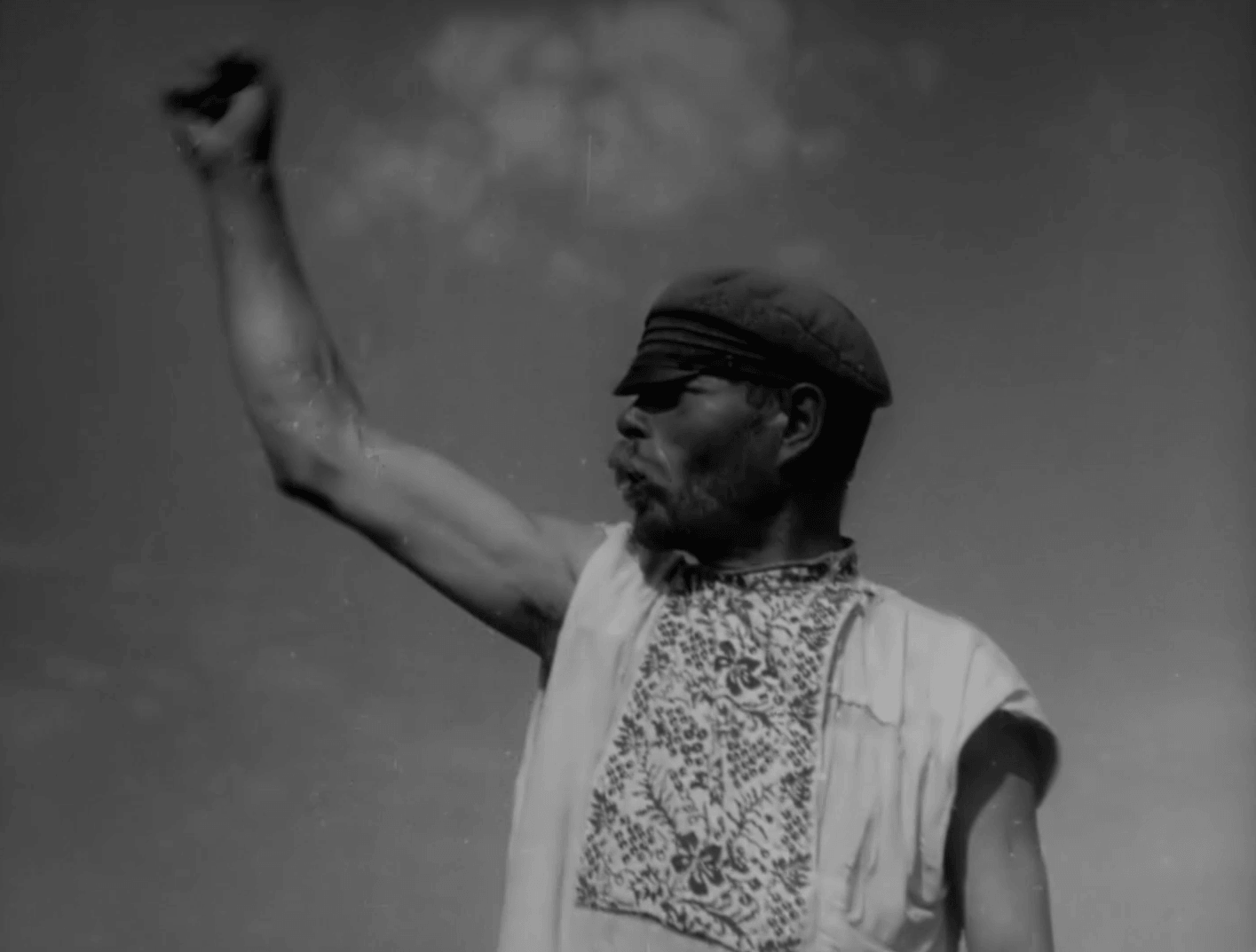
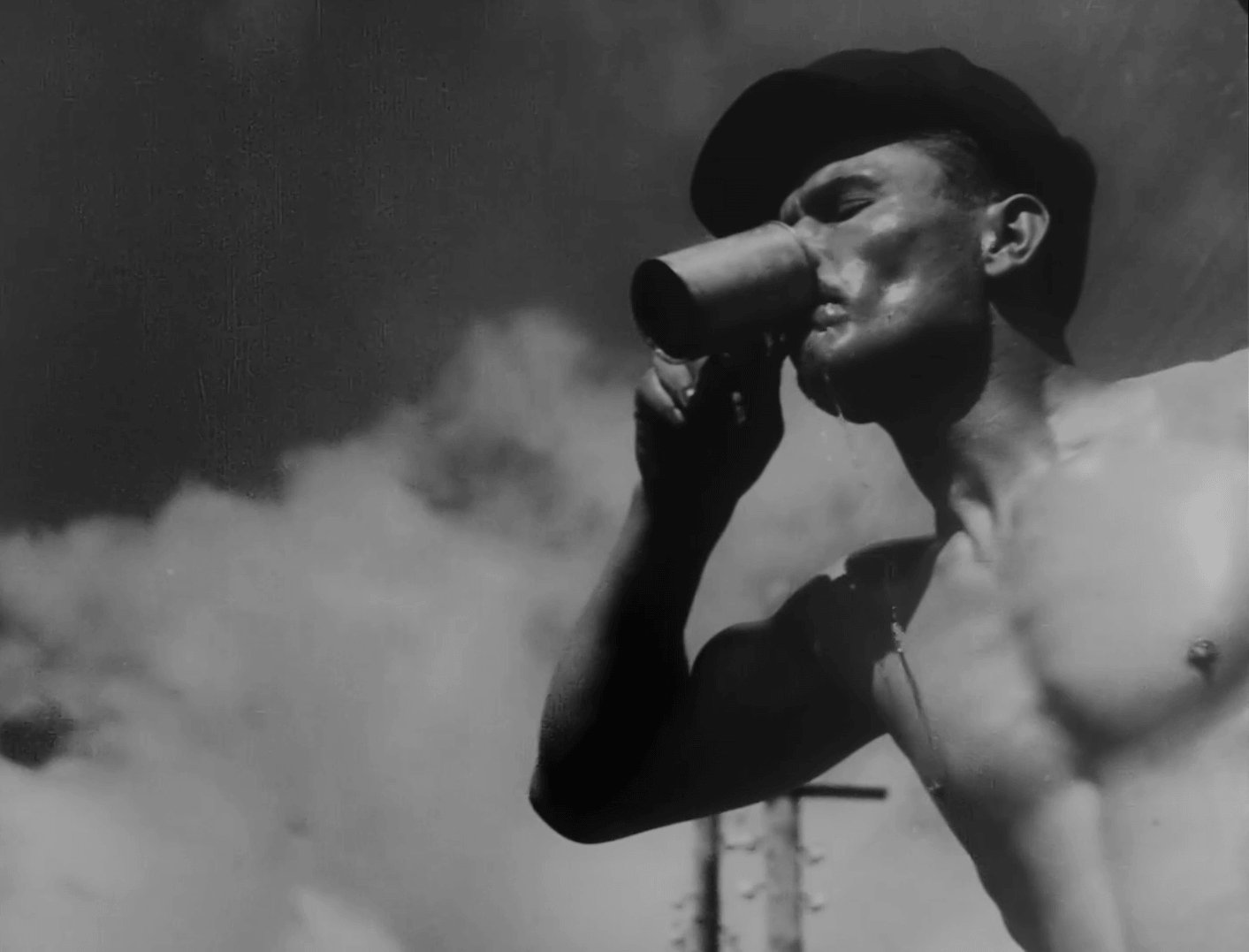
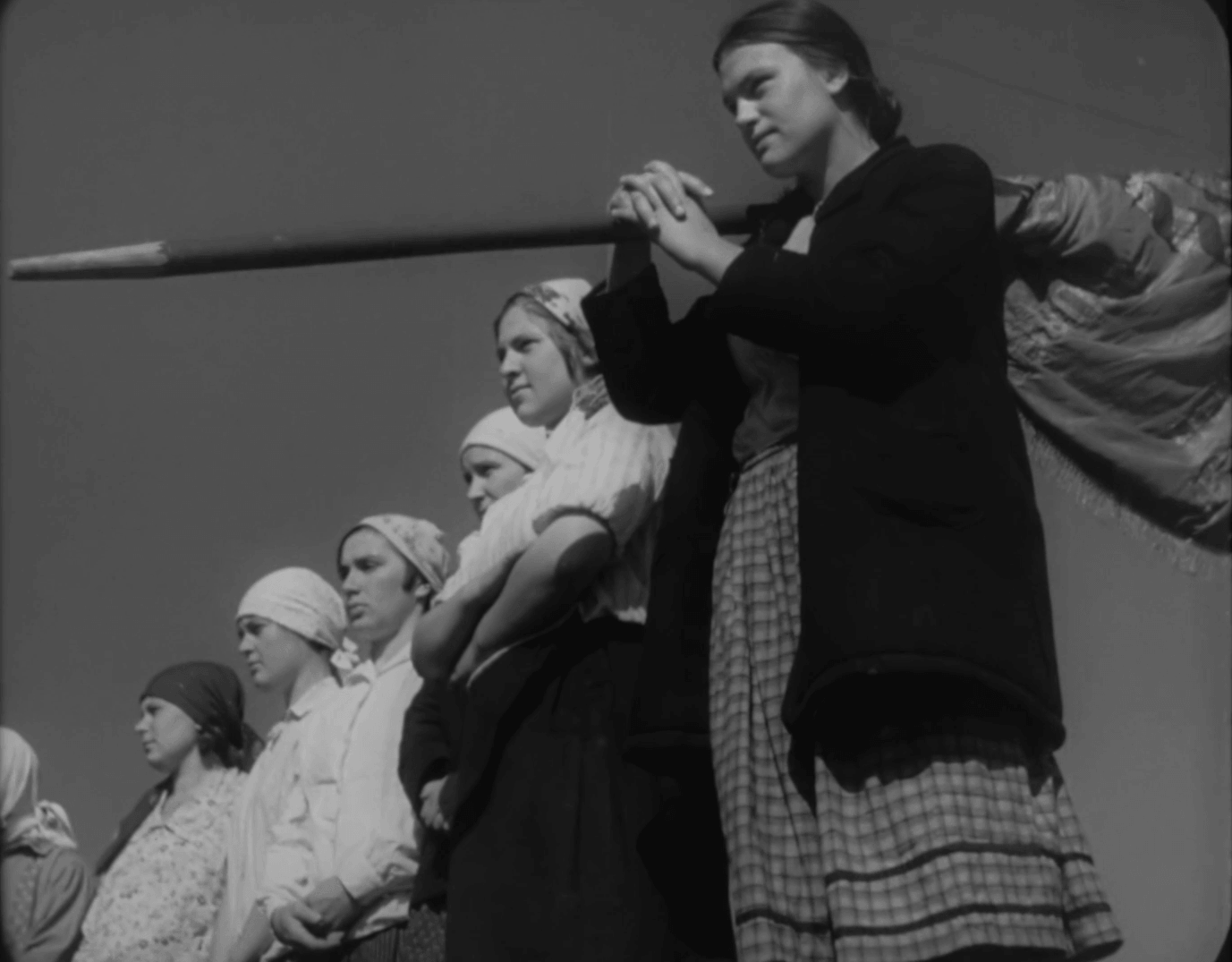
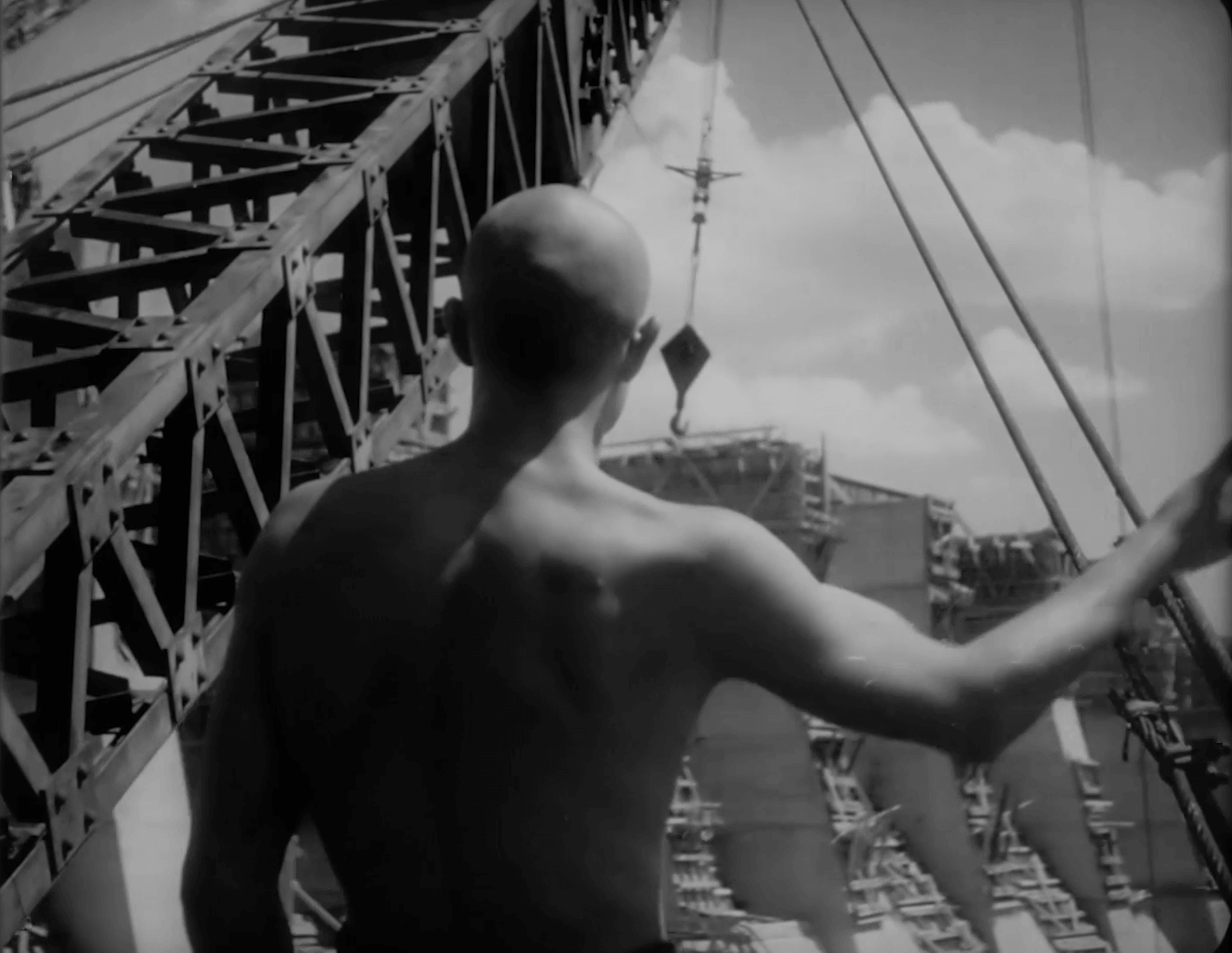
A party representative arrives in a Ukrainian village and, in a passionate speech, calls on the people “not to keep surplus labour here when the proletariat needs millions of new workers in its ranks.” Responding to this call and singing as they go, a group of peasants—whole families—set off for one of the great construction projects of the time: the building of the Dnipro Hydroelectric Station. Among them is the film’s protagonist, a simple village boy named Ivan.

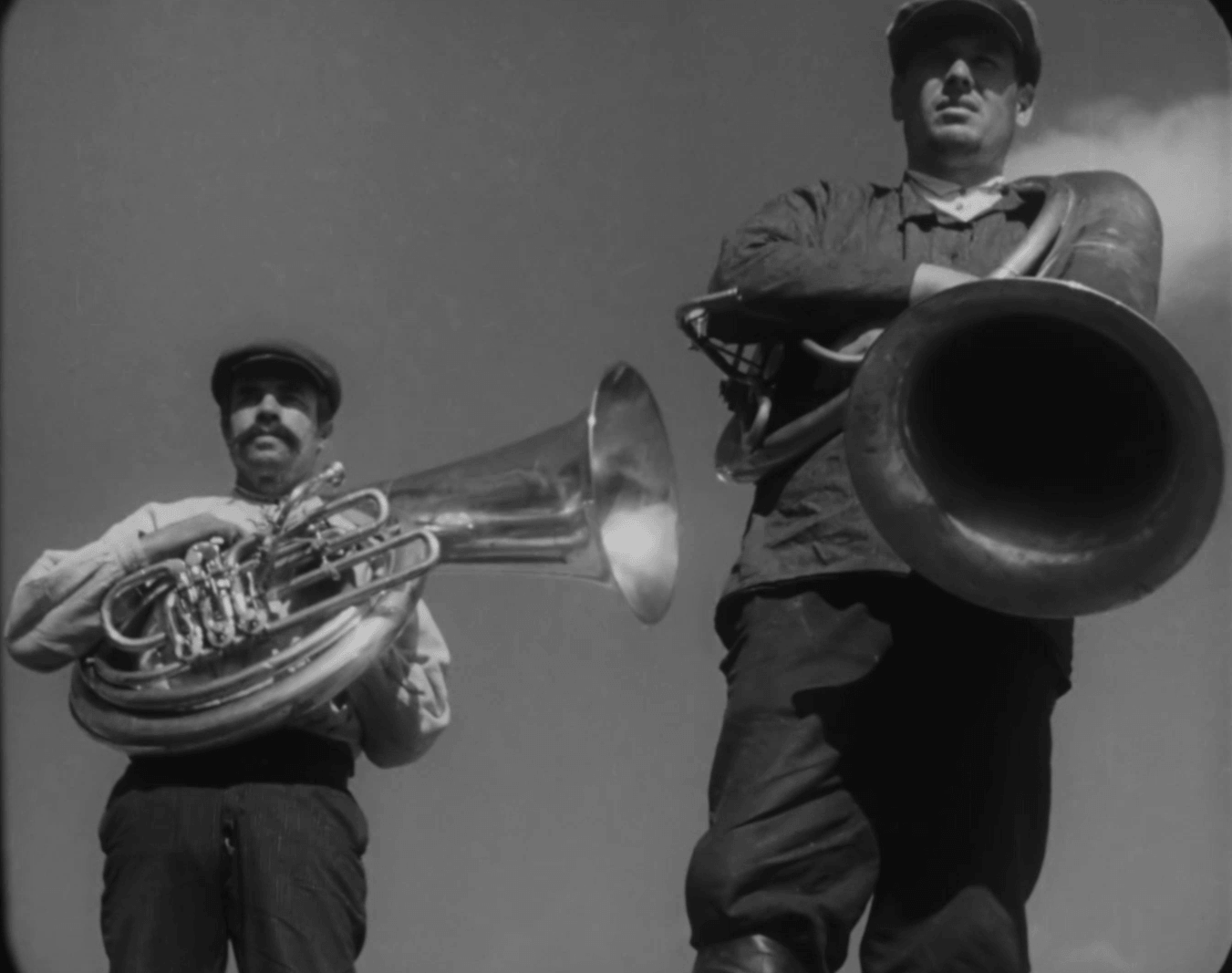
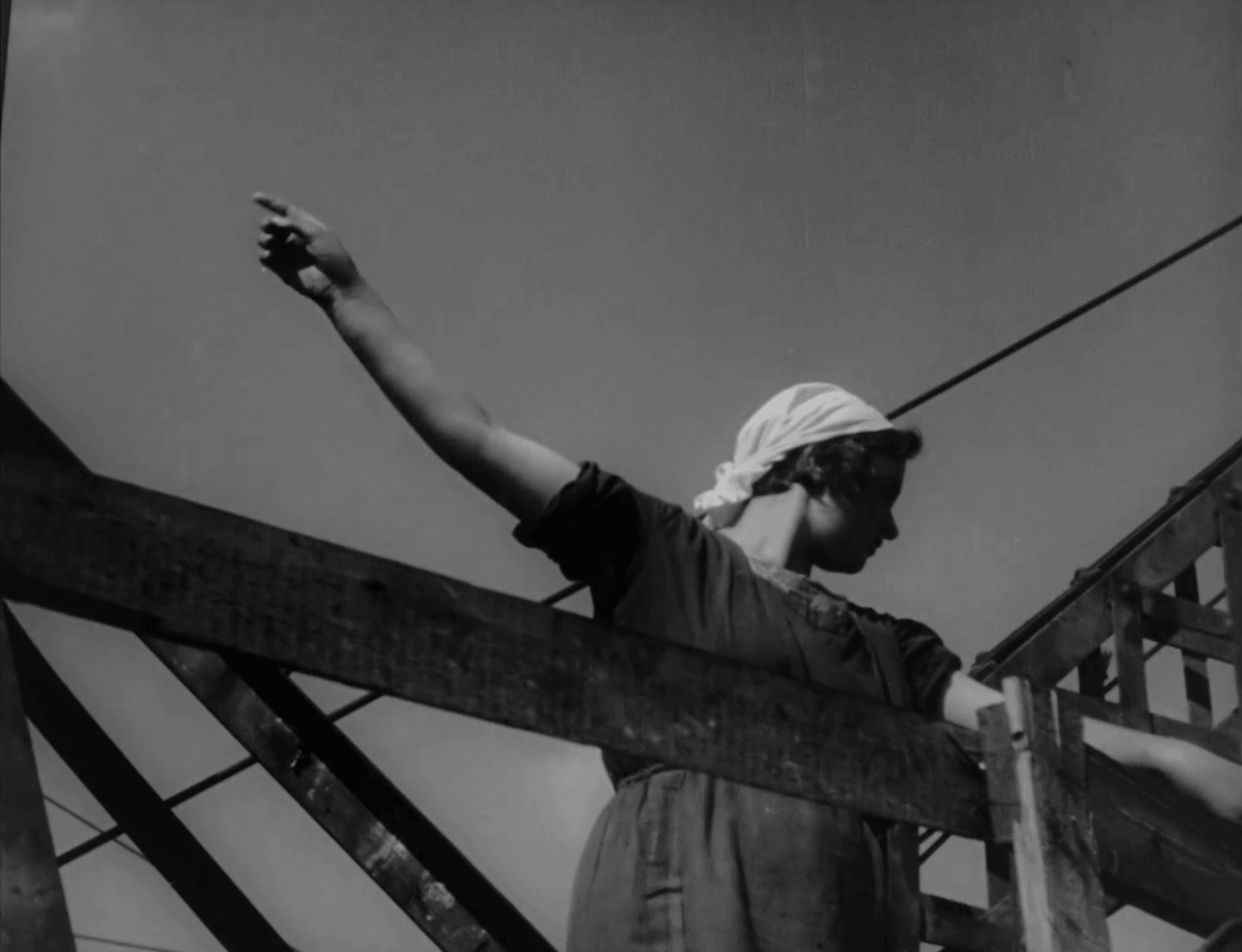
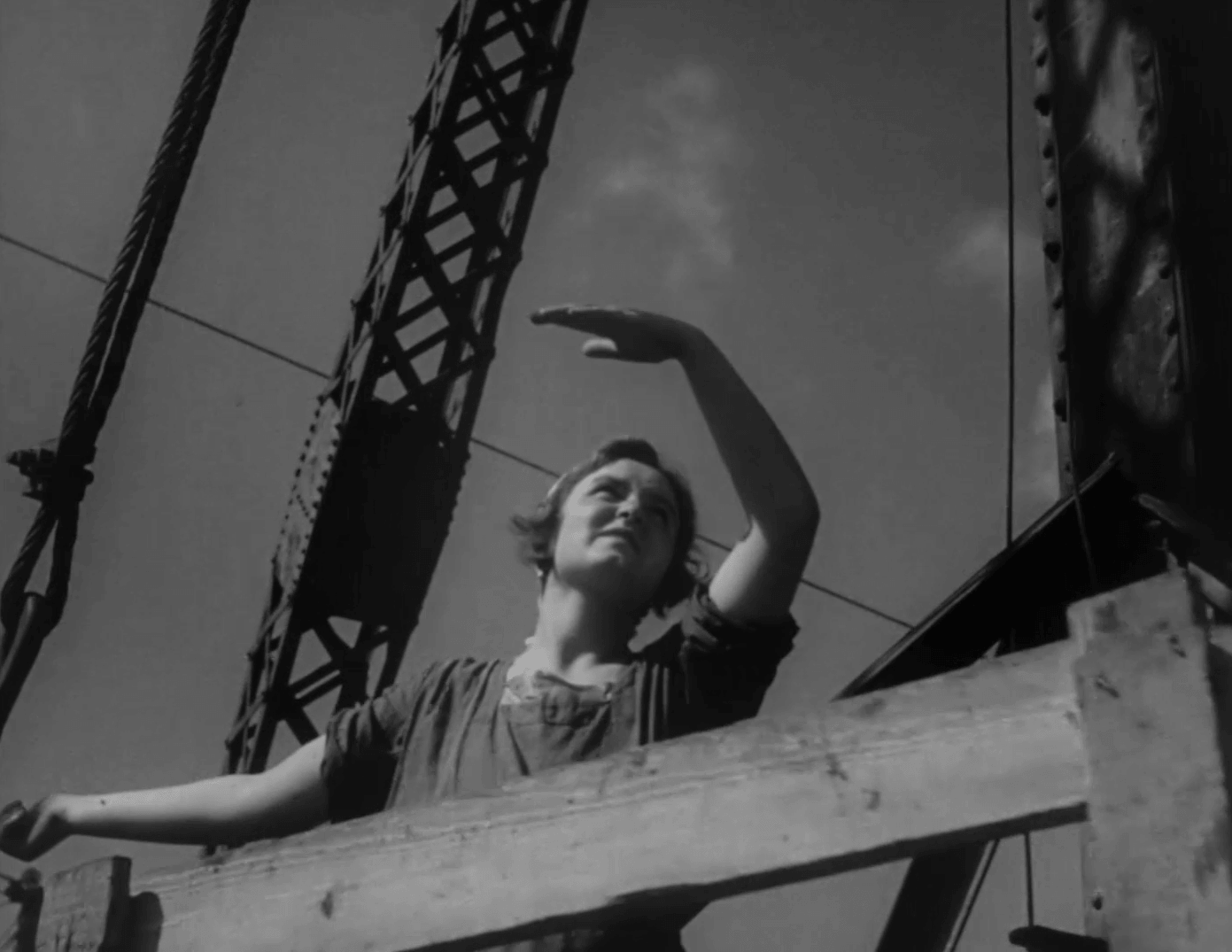
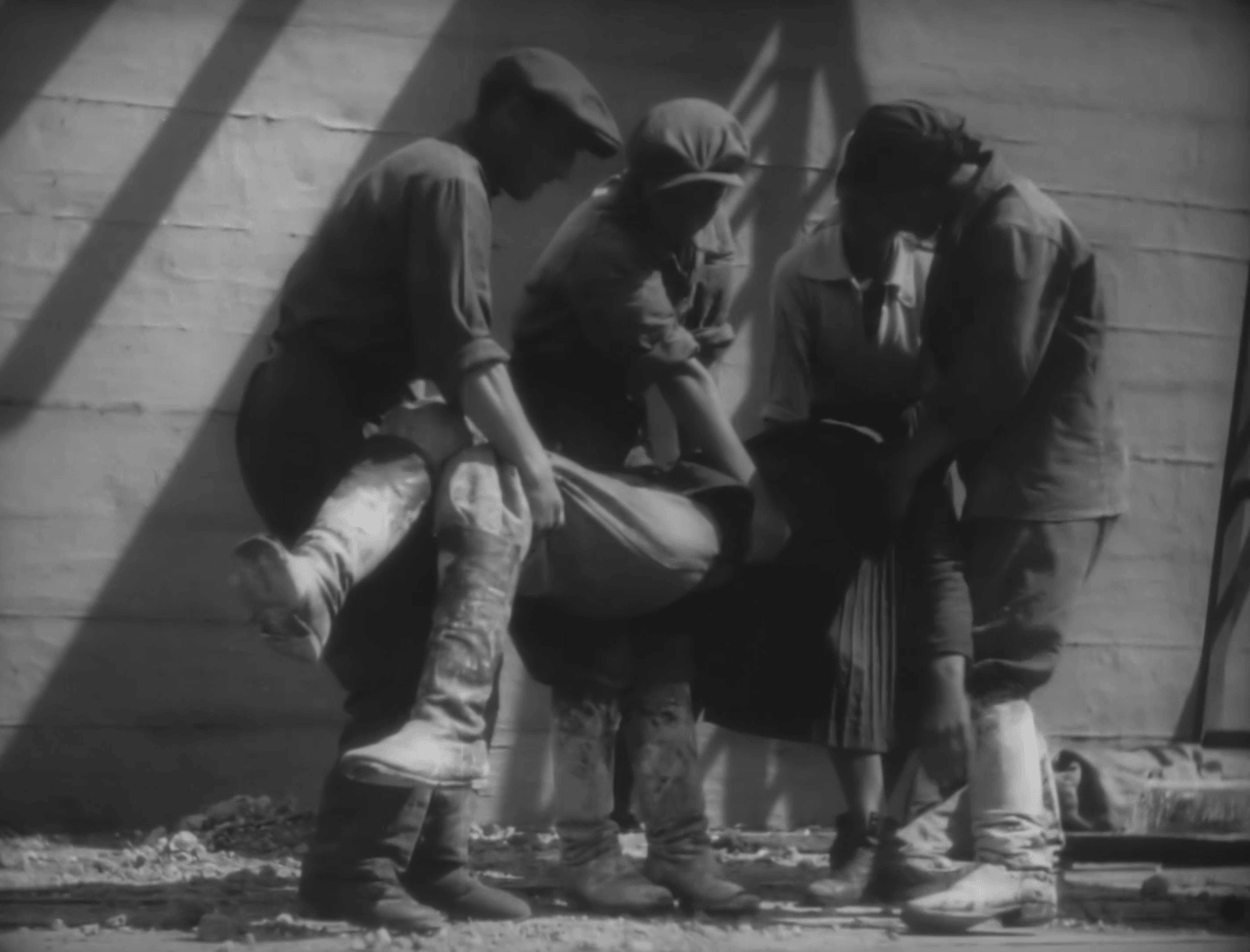
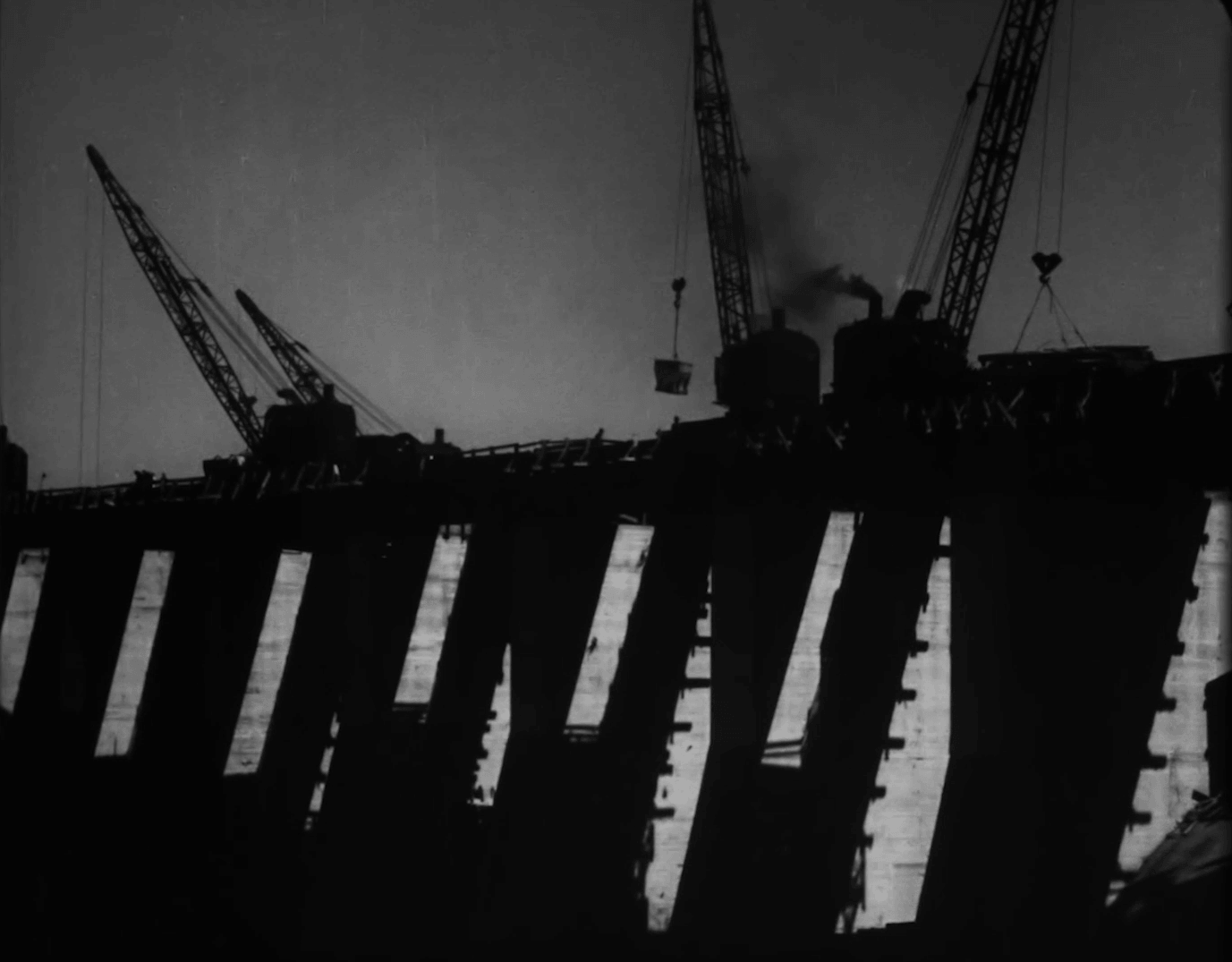
“Ivan” is the first film in which Oleksandr Dovzhenko experiments not only with image but with sound. Folk singing is edited together with factory whistles, the screeching and rumbling of machinery; lyrical shots of the flowing Dnipro waters give way to gigantic metal structures. In “Ivan”, the propagandistic pathos celebrates the struggle of the participants of the first Five-Year Plan against nature, culminating in the creation of the Dnipro Hydroelectric Station. At the same time, against the backdrop of these momentous events, a struggle with human nature also unfolds. On the eve of the Holodomor, Ukrainian peasants are being remade into canonical shock workers. The grandiose construction project swallows the individual whole, and may even cost them their life. Yet these attempts at transformation do not always succeed. It is telling that the most fully realised figure in the film is not the hero-shock worker, but the slacker who resists “re-education.”

Dovzhenko’s first sound film was subjected to detailed critical dissection in the pages of the newspaper Komunist and the journal Kino in 1932. The director was accused of “an absence of deep class understanding of the essence of things.” Among a series of critical objections, the most pointed was the charge of the protagonist Ivan’s colourlessness, set against the complexity and roundedness of his antagonist, the slacker:

“The class enemy in O. Dovzhenko’s film has his own first name, patronymic, and surname. He is active, because he knows what he is fighting for. Though O. Dovzhenko has drawn this kulak a little too polished. This kulak with a flower in his hand, this slacker who approaches the blacklist board with embarrassment, glances around fearfully, flees in fright from a loudspeaker even though the street is empty, this fisherman with his rod—he is somewhat ennobled.

Laughter, rather than other methods of struggle, is more logically applied to him. But is that really the case? The blacklist board at Dniprelbud was not put there for laughs!! Such an interpretation of the class enemy, which blunts the threat he poses, is hardly truly ours. And yet this slacker-kulak in the film is stronger than Ivan. He acts, he is brazen—he pushes his way in (and is allowed!) to deliver a speech at a major workers’ assembly…”

Category

Language

Subtitles

Director

Oleksandr Dovzhenko

Operator

Danylo Demutskyi, Yurii Yekelchyk, Mykhailo Hlider

In roles

Starring: Petro Masokha, Stepan Shkurat, Olena Holyk, Dmytro Holubynskyi, Mykola Nademskyi, Oleksandr Khvylia, Terentii Yura

Recommended movies

Search

Пошук